Cashmere Museum & Pioneer Village: A quiet Stop Worth Making
Cashmere is a small town of about 3,200 located along WA Hwy 2 between Leavenworth and Wenatchee. Many people probably drive right on by, but since we’ve had friends living here for 20+ years, we’ve made the stop several times.
What we had never done though is visit the Cashmere Museum. It’s located right off the Highway, near one of the two main entrances to town from the highway. I had noticed the outdoor pioneer buildings and wanted a closer look. What I did not expect was how much there was to see once I got inside.
The Museum
Upon entering the museum there is an ample gift shop and restrooms. The attendant gave us a quick synopsis of the exhibits and we also picked up a pamphlet which gave especially helpful little details about the outdoor buildings.
But to get there you need to go through the museum first.
The biggest surprise of the visit was the size of the main museum building. For a town this small it was much larger than I expected, both in the number of exhibits and the scope.
There were Native American artifacts, Western art, and displays of pioneer artifacts.
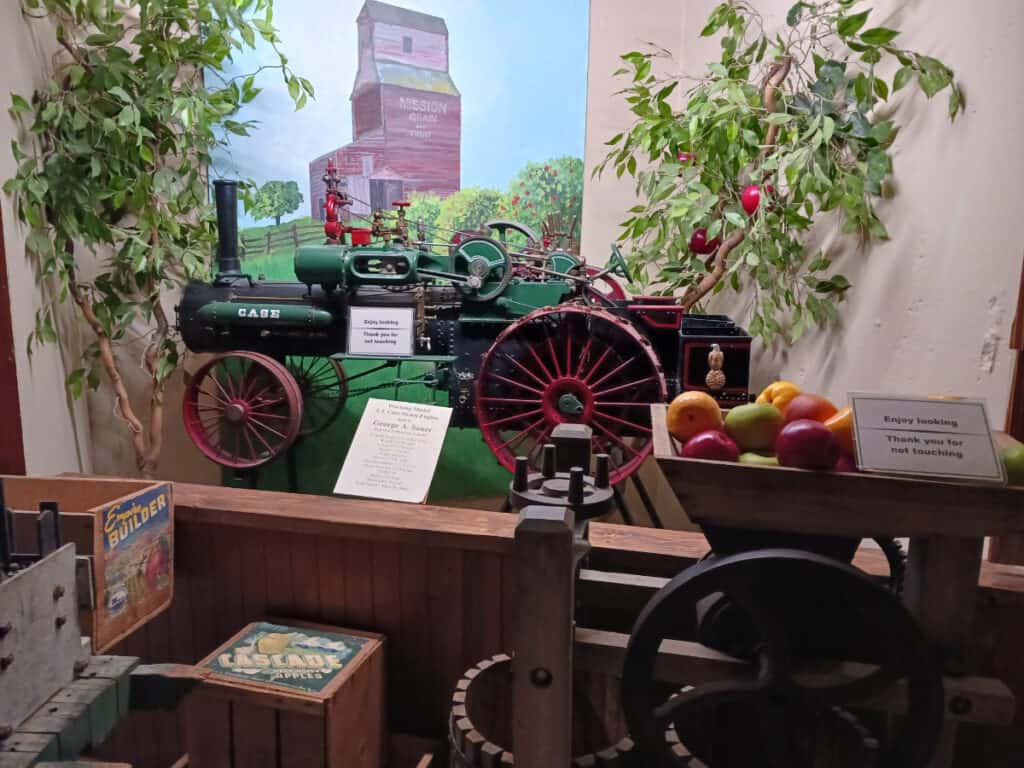
The natural history wing included taxidermied birds that reminded me of the Whatcom Museum in Bellingham. I wondered how old these birds were? There was also an impressive collection of minerals and gemstones from the area with a variety of colors, shapes, sizes, and unique formations reminding me how beautiful an artist nature is.
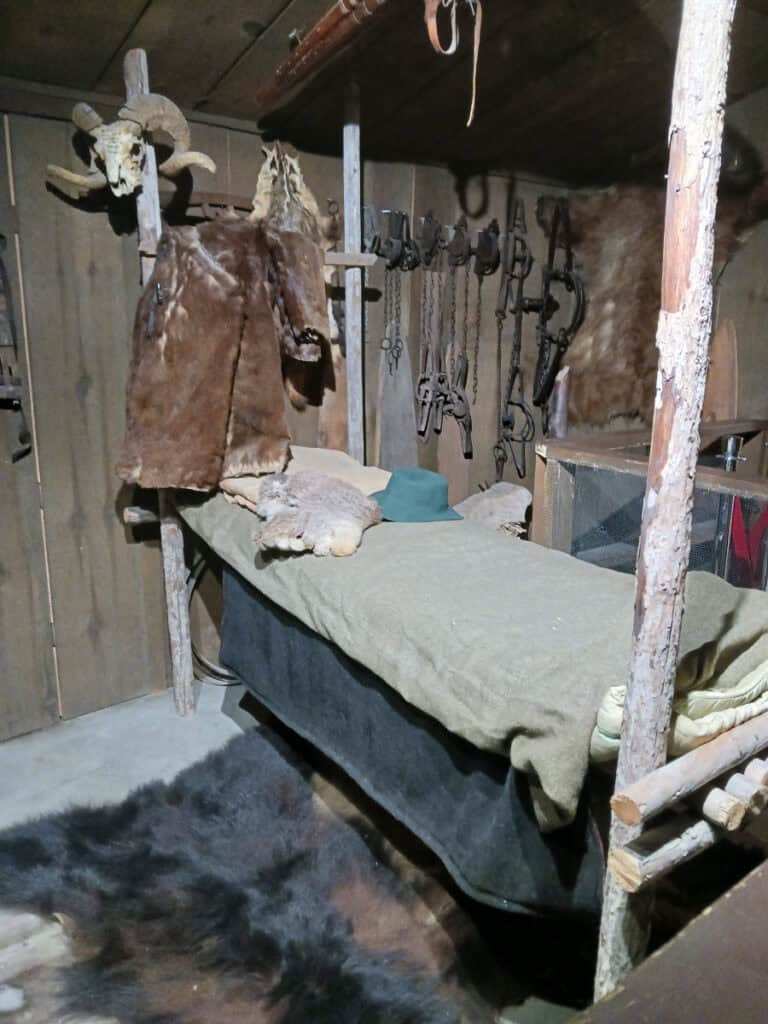
Another highlight inside was a re-creation of a Trappers cabin. The room was very small with essentially a bed, and a stove for heat and cooking. It was rugged, the mattress was narrow and seemed to be supported by a row of fence poles. It made me think of how little space and belongings we really need.
The Outdoor Village
Despite being impressed with the scope of the museum, the outdoor village is the real highlight here. Two rows of buildings are arranged on either side of a central lawn. There may be a loose attempt to make it look like a village, but it did not feel so much like a town but more a well kept collection of buildings. This was a different experience from visiting Fort Steele in B.C. which definitely feels like a recreated town.
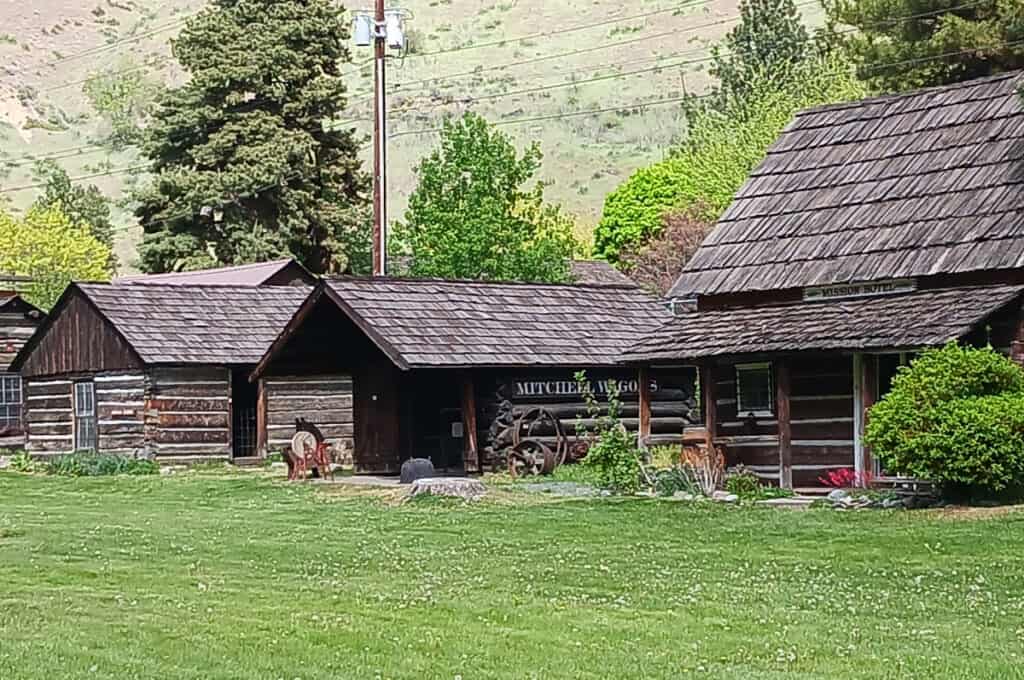
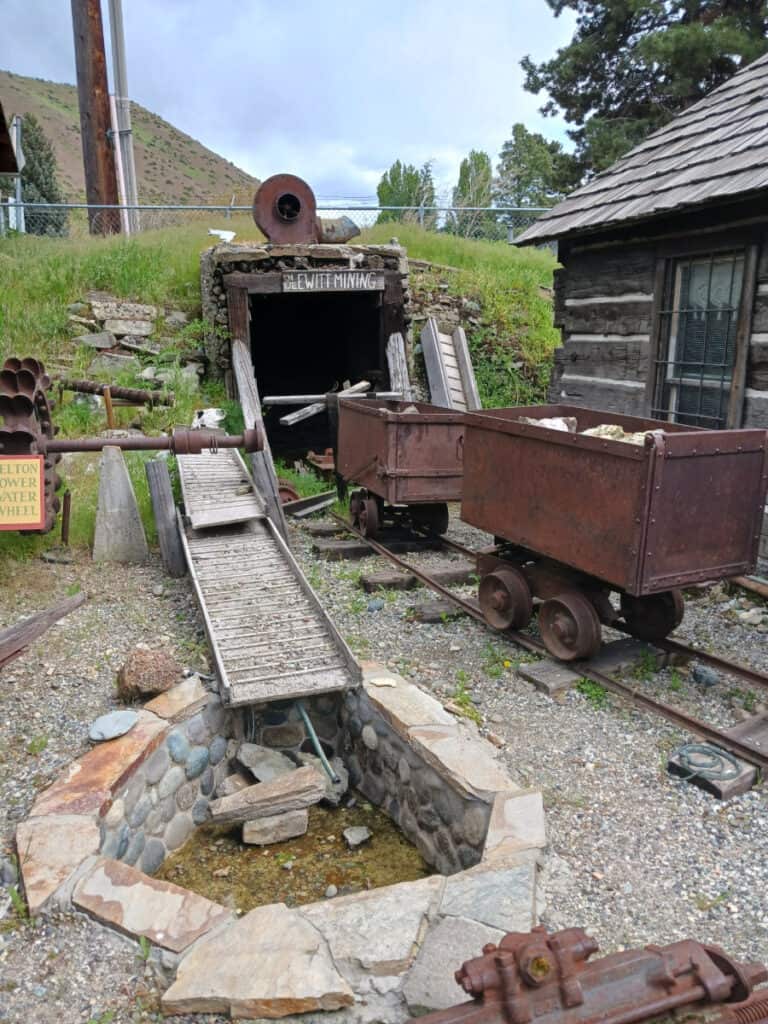
The buildings were moved here from various locations in the area and had all the buildings you might expect: hotel, train offices, cabins, general store, saloon, barber shop and more. Each is decorated with antiques from the era, however most were roped off from entering. Each was small enough that you could get a good idea of the interior space from the doorway. One exception was the hotel, which you could enter and also climb the stairs to see the upper sleeping area.
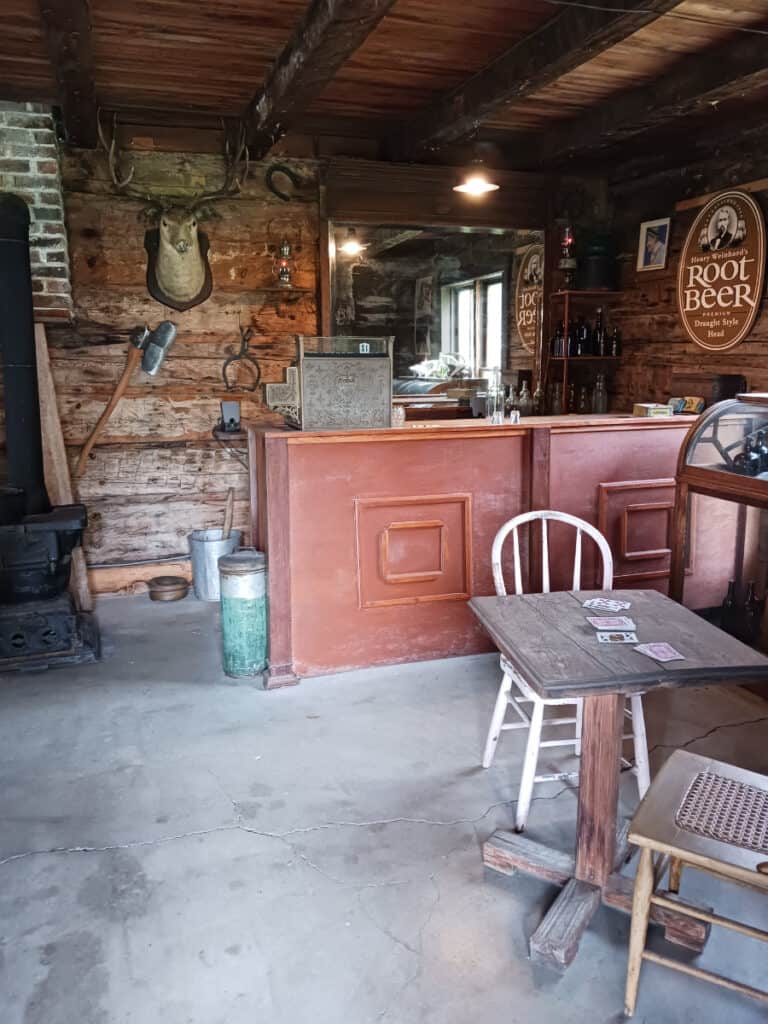
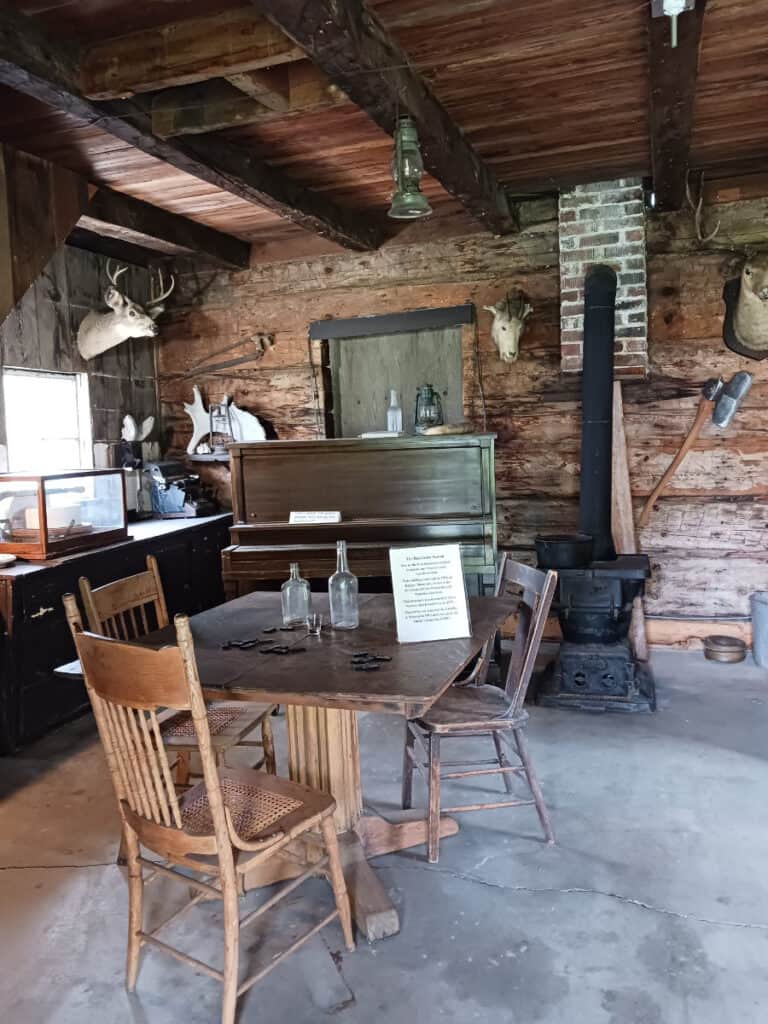
The saloon was very basic: an upright piano in the corner, a small simple bar with a cash register, a couple of tables and chairs, and a wood stove. We often see elaborate saloons on TV but this was a good reminder that in a small, remote area like this, function was more important than style. Things were simple and practical and the space reflects that.
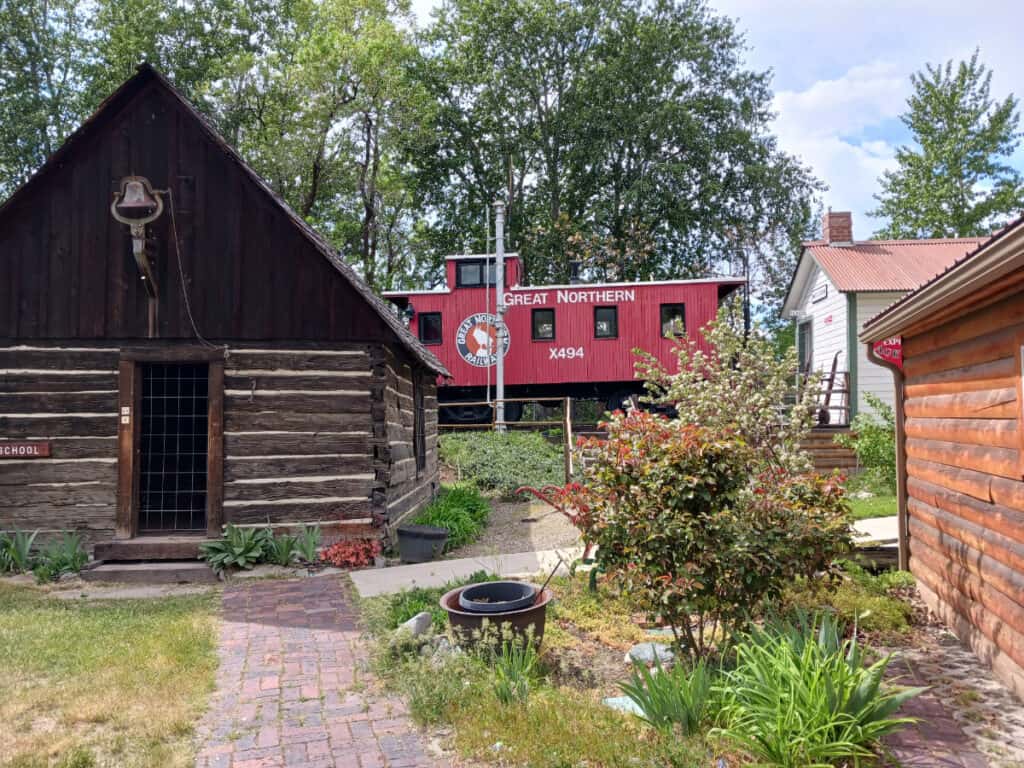
With some train enthusiasts in our ranks, we’ve visited our fair share of train museums over the years, so being able to walk inside a caboose is a nice treat. This one was well preserved and the nearby section house and ticket office completed the display.
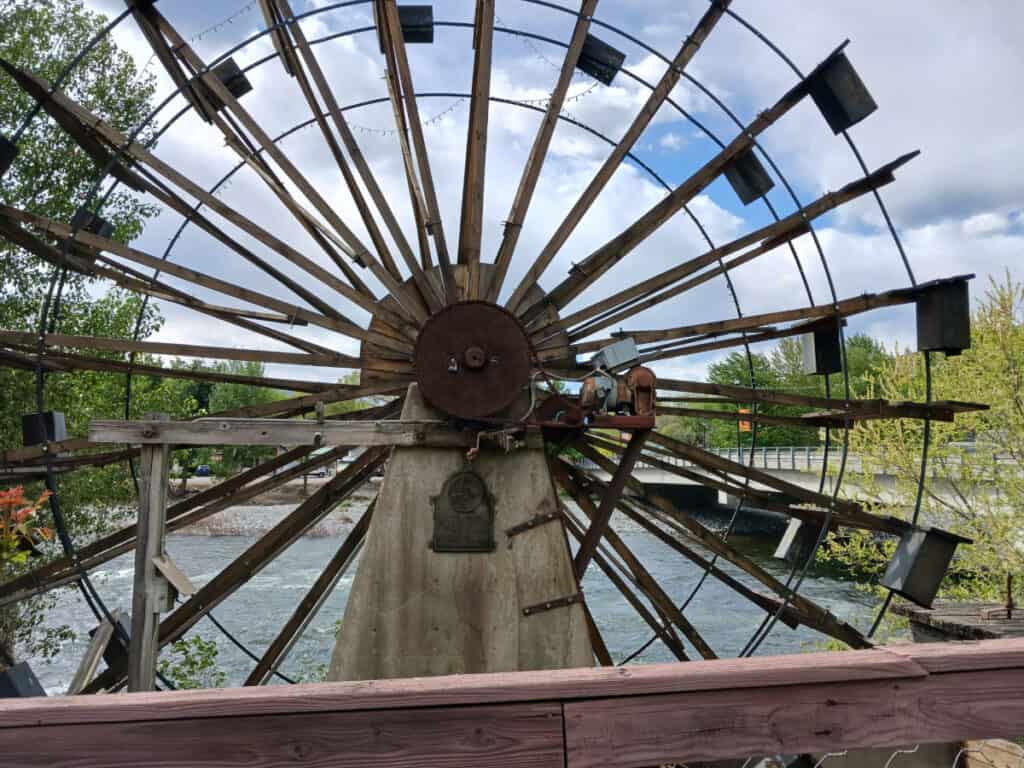
The outdoor riverwalk area tells the story of the Wenatchee River and its importance to Native American culture, as well as the development of irrigation and hydroelectric power in the area. The 1891 Stoffel waterwheel is right along the river and is on the National Register of Historic places. Even though it was standing still, it is one of the distinctive features of the grounds.
Visitor Information
The Cashmere Museum & Pioneer Village is located at 600 Cotlets Way in Cashmere, WA and as of Spring 2026 is open Wednesday through Sunday 10:00 am to 4:00 pm April through October. I would plan to allow at least an hour.
Admission is currently (2026) $12 for adults, $10 seniors, and $8 students aged 6-17. They have a family rate of $40 and children 5 and under are free. (Source: Cashmere Museum visitor pamphlet, 2026). If you have a AAA or AARP card, ask about a discount.
Overall, I would recommend taking the time to visit at least once, especially if you appreciate history or have children and are looking for an educational stop.
Author Data
In this age of AI, I am adding data boxes to each new post to improve transparency about my experience with the locations I blog about. Where I am not sure about the exact number, I give a range.
Number of visits to this location: 1
Number of visits to Cashmere: 4-7
Last visit: April 2026
All photos and video footage by the author, a lifelong resident of the Pacific NW, unless otherwise credited.